Come help us enable the world to secure the web.





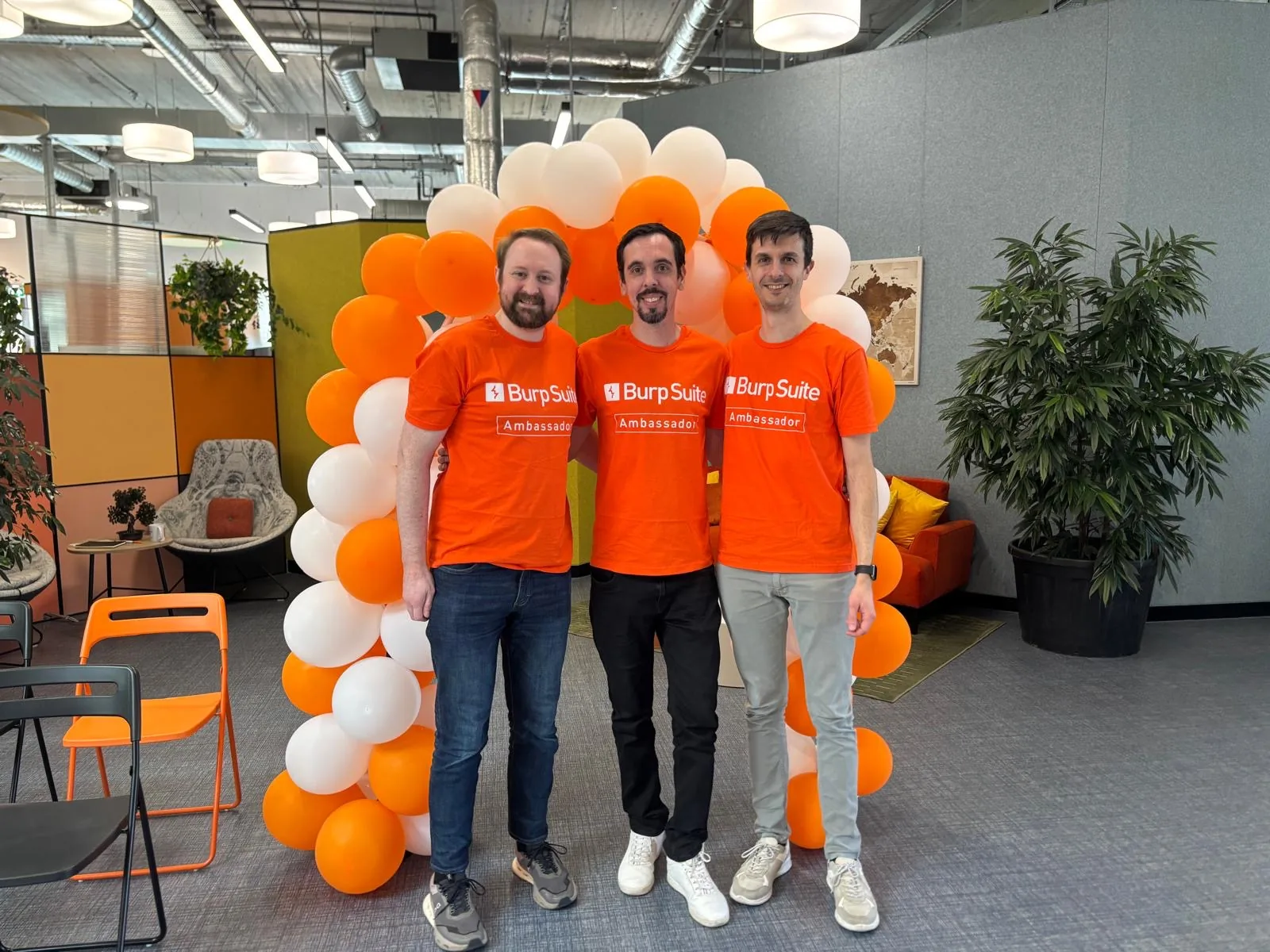







Come help us enable the world to secure the web.
Why we exist
No better way to understand PortSwigger than hearing it straight from the founder.
A message from our founder
“The pace of change and innovation in technology today is off the scale. The opportunities to build value quickly are enormous. If you're nerdy about tech (and if you aren't, you've come to the wrong website), then these are the most exciting times you've ever experienced.
What drives PortSwigger? Right from the start, it's been about working on hard problems, building cool solutions, and sharing what we build with the world. That's the same energy that drives us today. But the opportunities now are way bigger. Our ambition is to build something amazing and make a positive difference.
To achieve that ambition, we need the right people to join us. That means dream team players. People with exceptional capability, who work hard, are always striving to achieve their very best, and who grow themselves. It also means nice people who we want to work with. People who are helpful, respectful, supportive, and humble. We don't carry any passengers. Or arseholes.
At the heart of PortSwigger is making work fun. That comes from working with brilliant, like-minded people to build something amazing. Everything that we value derives from that shared creativity. We often say: if it stops being fun, we're doing it wrong.
We know that we're different, and PortSwigger definitely isn't for everyone. But if this sounds exciting to you, then we'd love to talk.”
Our people
Life at PortSwigger, in their words
“I joined PortSwigger in September 2020, right in the middle of the Covid-19 pandemic, not exactly the easiest time to start a new job! But from the moment I joined, I knew I'd found somewhere special. Over the last five years, I've worn many hats here and somehow found my way to where I am today: Customer Success Lead.”
Chloe Ridley
Scale Customer Success
“I joined the PortSwigger Research team about a year ago, and from the very beginning, I was amazed by the atmosphere of innovation here. It's a small team of amazing people doing cutting-edge research, built on trust and openness. One of the best things about working here is how easy it is to ask for help or share ideas. Everyone's super supportive and always up for a chat, no matter what the problem is. We're always learning, trying new things, and pushing ourselves to see what's possible. PortSwigger also has a really unique way of sharing knowledge - whether it's research insights, tools, or little tips that make a big difference. It's inspiring to work with such passionate people who genuinely care about what they do. I'm really proud to be part of this team and the culture that makes it all happen.”
Zakhar Fedotkin
Research
“In 3 words: Friendly, funny and nerdy. People are quick to help and always up for a laugh. People take their work seriously, but not themselves and we enjoy working together. My work gets recognised beyond my immediate team. Feedback is honest and wins are shared, I've been trusted to work on things that matter from day 1. That has led me to feel personally invested in the company's success and like I'm part of the company's story, not just a name on a slide. The banter is genuinely not corporate — you can have a real laugh with anyone, including the Chief Swigger and Elders. That makes the day-to-day genuinely fun.”
Frankie Halliday
FP&A
Why now?
This is the moment to be here.
Where are you in your journey?
Should I join PortSwigger?
Explore our culture and values — find out if this is the right place for you
I'm in the hiring process
Understand our values and what we look for — everything you need to prepare
I recruit for roles like these
Understand our promise so you can find us exactly the right people
I'm a Swigger
Sense-check your lived experience against what we say we stand for